





Horoscope
The word "horoscope" originates from Greek words meaning "observer of the hour," underscoring its focus on the precise moment of birth. When someone's horoscope is prepared, astrologers use the individual's birth date, time, and location to construct a birth chart or natal chart. This chart maps out the positions of celestial bodies within twelve astrological houses, each associated with a zodiac sign. Each sign carries distinct traits and qualities that astrologers interpret to provide insights into a person's personality, tendencies, strengths, and challenges. Horoscopes are often tailored to specific time frames—daily, weekly, monthly, or annually. They offer forecasts and advice based on current astrological configurations, aiming to guide individuals in areas such as relationships, career choices, health, and personal development. While astrology and horoscopes are debated for their scientific validity, many people find meaning and guidance in these interpretations as they navigate life's uncertainties and opportunities.
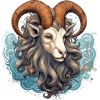


The word "horoscope" originates from Greek words meaning "observer of the hour," underscoring its focus on the precise moment of birth. When someone's horoscope is prepared, astrologers use the individual's birth date, time, and location to construct a birth chart or natal chart.
This chart maps out the positions of celestial bodies within twelve astrological houses, each associated with a zodiac sign. Each sign carries distinct traits and qualities that astrologers interpret to provide insights into a person's personality, tendencies, strengths, and challenges. Horoscopes are often tailored to specific time frames—daily, weekly, monthly, or annually. They offer forecasts and advice based on current astrological configurations, aiming to guide individuals in areas such as relationships, career choices, health, and personal development. While astrology and horoscopes are debated for their scientific validity, many people find meaning and guidance in these interpretations as they navigate life's uncertainties and opportunities.
Today’s horoscope for each zodiac sign offers insights into what the future holds based on astrological readings. This ancient practice remains relevant, predicting individual destinies through various celestial aspects like planetary positions, Nakshatras, Tithi, and more intricate astrological factors. The movement of planets between different houses in one's Kundli significantly influences daily life and fortunes, shaping decisions and outcomes. Horoscope readings are widely embraced globally, transcending cultural boundaries. They are accessible through various mediums such as TV, newspapers, magazines, and online platforms. This accessibility underscores their popularity and utility in guiding individuals through life's complexities. Each person has two zodiac signs: one based on their Sun Sign, determined by birthdate, and another based on their Moon Sign, which changes every 2 to 3 days. Astrologers often prioritize the Moon Sign for daily horoscope readings as it reflects current emotional states and influences.
Daily horoscopes offer insights into a range of aspects including love, relationships, career, health, and financial matters. By providing a glimpse into potential opportunities and challenges, they empower individuals to make proactive decisions and navigate their lives more confidently. In addition to predictions, many horoscope readings also suggest astrological remedies to mitigate challenges or enhance favorable outcomes. This holistic approach aims to help individuals align their actions with celestial energies and maximize their potential for success and fulfillment.
Each zodiac sign is associated with one of four elements:
Fire, Earth, Air, or Water, which contribute to their respective traits and behaviors. Additionally, each sign has a ruling planet that further influences its characteristics and tendencies. Astrology uses these signs and their attributes to interpret personalities, relationships, and potential life events through horoscopes and astrological charts

Does a Horoscope work?
Certainly! Horoscopes are often associated with astrology, a system that dates back thousands of years and has roots in various cultures worldwide. Astrology posits that the positions and movements of celestial bodies can impact human affairs and behavior. Horoscopes typically involve interpreting these celestial influences based on one's zodiac sign, which is determined by the position of the Sun at the time of birth. Critics argue that horoscopes lack scientific validity because there is no empirical evidence supporting a causal relationship between celestial movements and human personality or events. Skeptics point out that horoscopes often use vague language that could apply to anyone, a phenomenon known as the Barnum effect. On the other hand, supporters of astrology and horoscopes suggest that the practice offers insights into personality traits, compatibility in relationships, and guidance for decision-making. They believe that the symbolic language of astrology can provide valuable psychological insights and help individuals reflect on their lives. In summary, whether horoscopes ""work"" depends on one's beliefs, with some seeing them as a fun diversion and others finding deeper meaning or guidance in them. Ultimately, the validity and utility of horoscopes remain subjective and vary widely among individuals.

Astrology and Horoscope
Astrology is a complex system that examines the positions and movements of celestial bodies, such as planets and stars, and their perceived influence on human affairs. It is an ancient practice that has evolved over thousands of years and exists in various forms across different cultures. The core belief of astrology is that the positions of these celestial bodies at the time of a person's birth can provide insights into their personality traits, preferences, strengths, and challenges. Horoscopes are a popular application of astrology, where astrologers create forecasts or readings based on the positions of celestial bodies relative to the zodiac signs. The zodiac consists of twelve signs, each associated with specific dates and character traits. Your zodiac sign is determined by the position of the Sun at the time of your birth. Critics argue that astrology lacks empirical evidence and scientific validity, as its principles are not consistently replicable under controlled conditions. Skeptics often attribute the perceived accuracy of astrological readings to psychological phenomena like confirmation bias or the Barnum effect, where individuals interpret vague or general statements as personally meaningful. However, supporters of astrology argue that it offers a valuable framework for understanding human psychology and relationships, and provides a symbolic language for personal growth and reflection.
Horoscope and Zodiac

Zodiac Signs:
The Zodiac is a division of the celestial sphere into twelve equal parts, each associated with a specific constellation and time period of the year. These divisions are commonly known as zodiac signs, such as Aries, Taurus, Gemini, etc. Your zodiac sign is determined by the position of the Sun at the time of your birth. Each sign is believed to have its own set of personality traits, strengths, weaknesses, and characteristics based on astrological interpretations.

Horoscopes:
A horoscope is a forecast or prediction based on astrological principles and the positions of celestial bodies at a specific point in time, often the time of one's birth. Horoscopes are typically personalized based on an individual's zodiac sign (Sun sign) and sometimes other astrological factors like the positions of the Moon, planets, and angles (such as the Ascendant or Rising sign). They can provide insights into various aspects of life, including relationships, career, health, and personal development. Horoscopes can be found in newspapers, magazines, online platforms, and are often consulted daily, weekly, or monthly by those interested in astrology.
Get In-Depth Analysis Of Your Horoscope Connect with our experienced Astrologers
First Call/Chat FREE

Types of Zodiac Signs in Horoscope
In astrology, there are twelve zodiac signs, each with its own distinct characteristics, elements, ruling planets, and associated traits. Here's an overview of the types of zodiac signs: Each zodiac sign is associated with one of four elements: Fire, Earth, Air, or Water, which contribute to their respective traits and behaviors. Additionally, each sign has a ruling planet that further influences its characteristics and tendencies. Astrology uses these signs and their attributes to interpret personalities, relationships, and potential life events through horoscopes and astrological charts.

Fire Sun Signs
Aries : Symbolized by the Ram, Aries is known for being dynamic, confident, and enthusiastic.
Leo : Symbolized by the Lion, Leo is associated with creativity, leadership, and charisma.
Sagittarius: Symbolized by the Archer, Sagittarius is characterized by optimism, exploration, and philosophical pursuits.

Water Sun Signs
Cancer: Symbolized by the Crab, Cancer is nurturing, intuitive, and deeply connected to emotions and home life.
Scorpio: Symbolized by the Scorpion, Scorpio is passionate, intense, and known for its depth and determination.
Pisces : Symbolized by the Fishes, Pisces is imaginative, compassionate, and spiritually inclined.

Air Sun Signs
Gemini : Symbolized by the Twins, Gemini is curious, adaptable, and often described as having dual personalities due to their versatility.
Libra : Symbolized by the Scales, Libra values balance, harmony, and relationships, and is known for its diplomatic nature.
Aquarius : Symbolized by the Water-Bearer, Aquarius is progressive, independent, and humanitarian-minded.

Earth Sun Signs
Taurus: Symbolized by the Bull, Taurus is known for its practicality, determination, and appreciation of beauty and comfort.
Virgo : Symbolized by the Virgin, Virgo is detail-oriented, analytical, and focused on service and practicality.
Capricorn : Symbolized by the Sea-Goat, Capricorn is disciplined, ambitious, and driven by a desire for success.
Frequently Asked Questions
Yes, you can modify content from public domain sources. Ensure that any modifications still comply with the original licensing terms if applicable.
Check if the book is in the public domain or obtain permission from the publisher or author if it is still under copyright.
Common types include natal horoscopes (based on birth details), daily/weekly/monthly horoscopes (predictive), and compatibility horoscopes (relationship insights).
It depends on personal preference. Some people read their horoscopes daily, while others might consult them weekly or monthly.
A daily horoscope provides general predictions for a day based on current celestial positions, while a natal chart is a detailed astrological map of the sky at the exact time of your birth.
No, different cultures have various astrological systems and interpretations. For example, Western astrology differs from Vedic (Indian) astrology and Chinese astrology.
Many people use horoscopes as a tool for reflection and guidance, but it’s important to make decisions based on a combination of insights, personal judgment, and practical considerations.
Your zodiac sign is determined by your birth date. Each sign corresponds to a specific date range within the calendar year.