


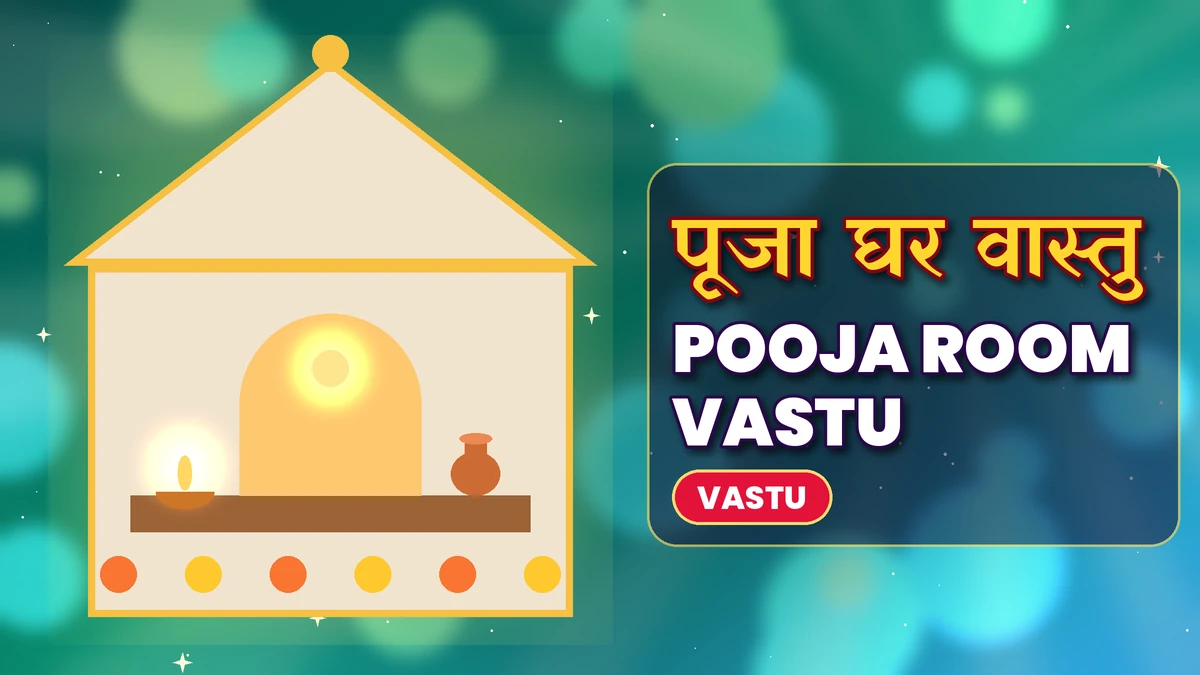
The pooja room, or home mandir, is the spiritual centre of the house. Even a small shelf in a city flat can follow Vastu principles so that daily prayer feels calm and focused. Here is a practical guide.
Best direction for the pooja room
North-east (Ishan kon): the ideal zone, considered the seat of divine energy.
East or north: good alternatives if the north-east is not available.
Avoid: the south, south-west, under a staircase, inside a bedroom facing the bed, and walls shared with a toilet.
Which way should you face?
The most common recommendation is that the worshipper faces east while praying, so idols are placed on the east side facing west. Facing north is also considered good. Choose the arrangement your space allows and keep it consistent.
Idol and picture placement
Place idols on a raised platform, not directly on the floor.
Keep idols a little away from the wall so air can circulate.
Avoid broken or chipped idols; immerse or respectfully dispose of them.
Do not crowd the mandir with many idols of the same deity.
Pictures of departed family members are traditionally kept outside the mandir, often on a south wall.
Lamps, water and storage
Place the diya on the south-east side of the altar, the fire zone.
Keep a small copper kalash of water on the north-east side.
Store puja items, books and incense in a drawer or shelf below or to the side, never above the deities.
Colours, light and materials
Use light colours such as white, cream, light yellow or pale blue.
Wood or marble mandirs are preferred; avoid glass shelves that look cluttered.
Ensure good natural light during the day and gentle lighting in the evening.
Common mistakes to avoid
Keeping the pooja corner inside a dark storage area.
Placing the mandir directly opposite the main door, where it faces constant movement.
Using the pooja shelf to store unrelated items, keys or bills.
Want a Vastu-friendly design for your mandir? Consult an AstroPill Vastu expert.